
The Training Company (Aus)
Skip available courses
Available courses
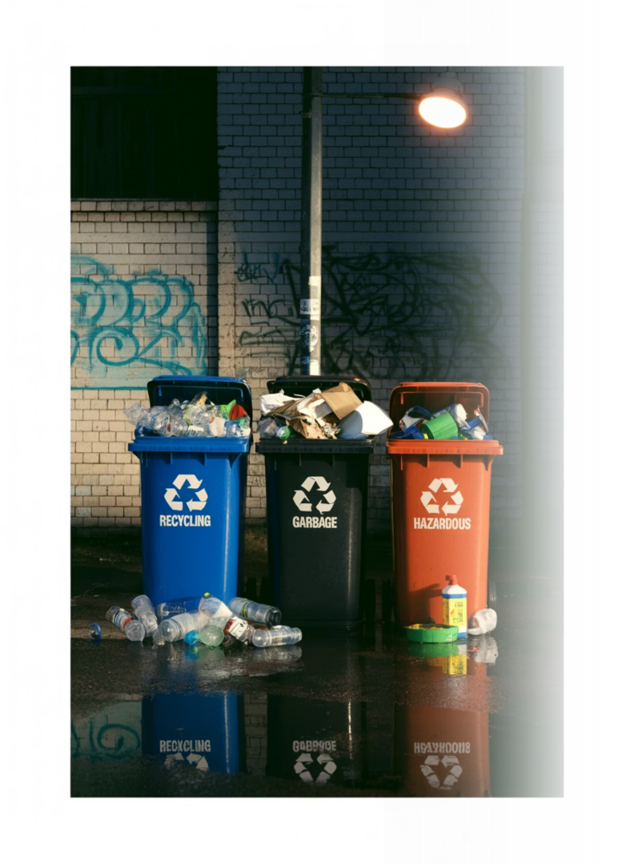
This unit specifies the skills and knowledge required to identify waste types and segregate according to waste pathways. It includes inspecting waste to identify and segregate waste types and managing hazardous and non-conforming wastes. It also includes monitoring waste storage containers or areas to ensure adequate available storage capacity, secure waste containment and quality control.
Candidates must hold a current, nationally recognised licence to operate the vehicle or equipment being used to transport waste. For further information, check with the relevant regulatory authority.
A person who achieves this unit of competency is expected to take responsibility for completing these tasks with a high degree of self-direction.
No licensing, legislative or certification requirements apply to this unit of competency at the time of publication.
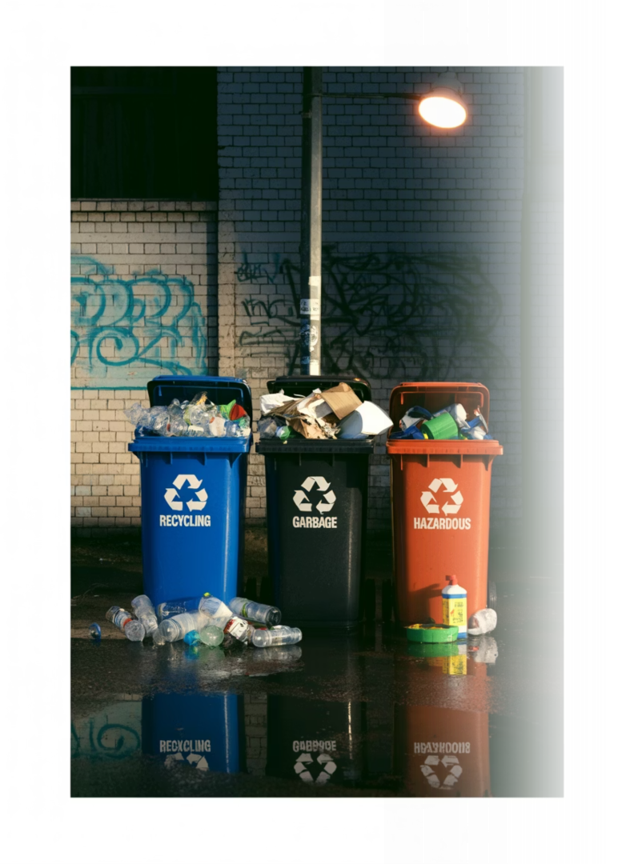
This unit specifies the skills and knowledge required to identify waste types and segregate according to waste pathways. It includes inspecting waste to identify and segregate waste types and managing hazardous and non-conforming wastes. It also includes monitoring waste storage containers or areas to ensure adequate available storage capacity, secure waste containment and quality control.
Candidates must hold a current, nationally recognised licence to operate the vehicle or equipment being used to transport waste. For further information, check with the relevant regulatory authority.
A person who achieves this unit of competency is expected to take responsibility for completing these tasks with a high degree of self-direction.
No licensing, legislative or certification requirements apply to this unit of competency at the time of publication.
- Manager: Cassandra Hartley
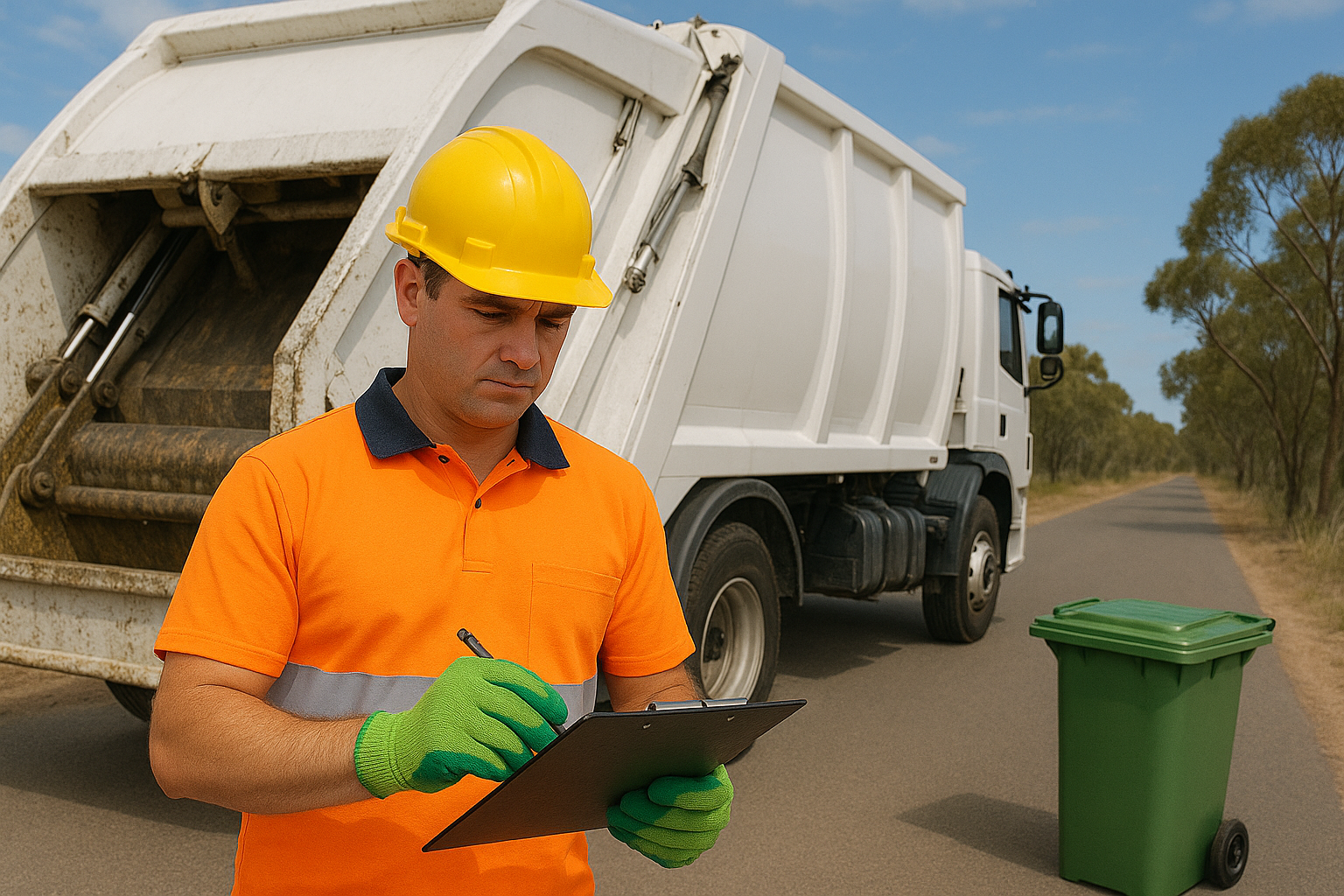
This unit specifies the skills and knowledge required to comply with environmental protection requirements when transporting waste using vehicles and equipment. It includes minimising the effects of pollution caused when operating and maintaining waste vehicles and equipment and following routes and workplace instructions to safely transport environmentally hazardous waste. It also includes understanding the impact of waste loads on the environment and identifying ways to improve work processes to protect the environment when transporting waste.
A person who achieves this unit of competency is expected to take responsibility for completing these tasks with a high degree of self-direction.
Candidates must hold a current, nationally recognised licence to operate the vehicle or equipment being used to transport waste. For further information, check with the relevant regulatory authority.
- Manager: Cassandra Hartley
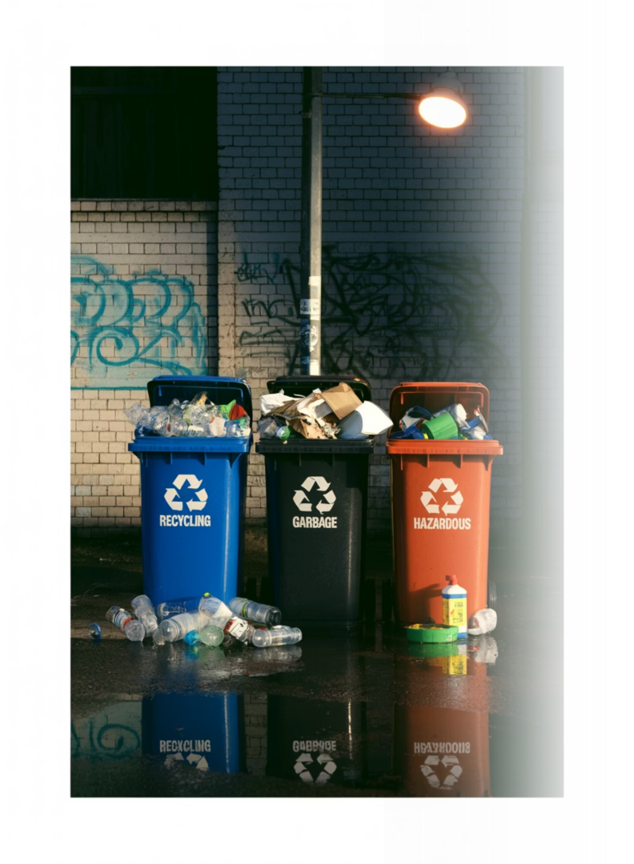
This unit specifies the skills and knowledge required to identify waste types and segregate according to waste pathways. It includes inspecting waste to identify and segregate waste types and managing hazardous and non-conforming wastes. It also includes monitoring waste storage containers or areas to ensure adequate available storage capacity, secure waste containment and quality control.
Candidates must hold a current, nationally recognised licence to operate the vehicle or equipment being used to transport waste. For further information, check with the relevant regulatory authority.
A person who achieves this unit of competency is expected to take responsibility for completing these tasks with a high degree of self-direction.
No licensing, legislative or certification requirements apply to this unit of competency at the time of publication.
- Manager: Cassandra Hartley
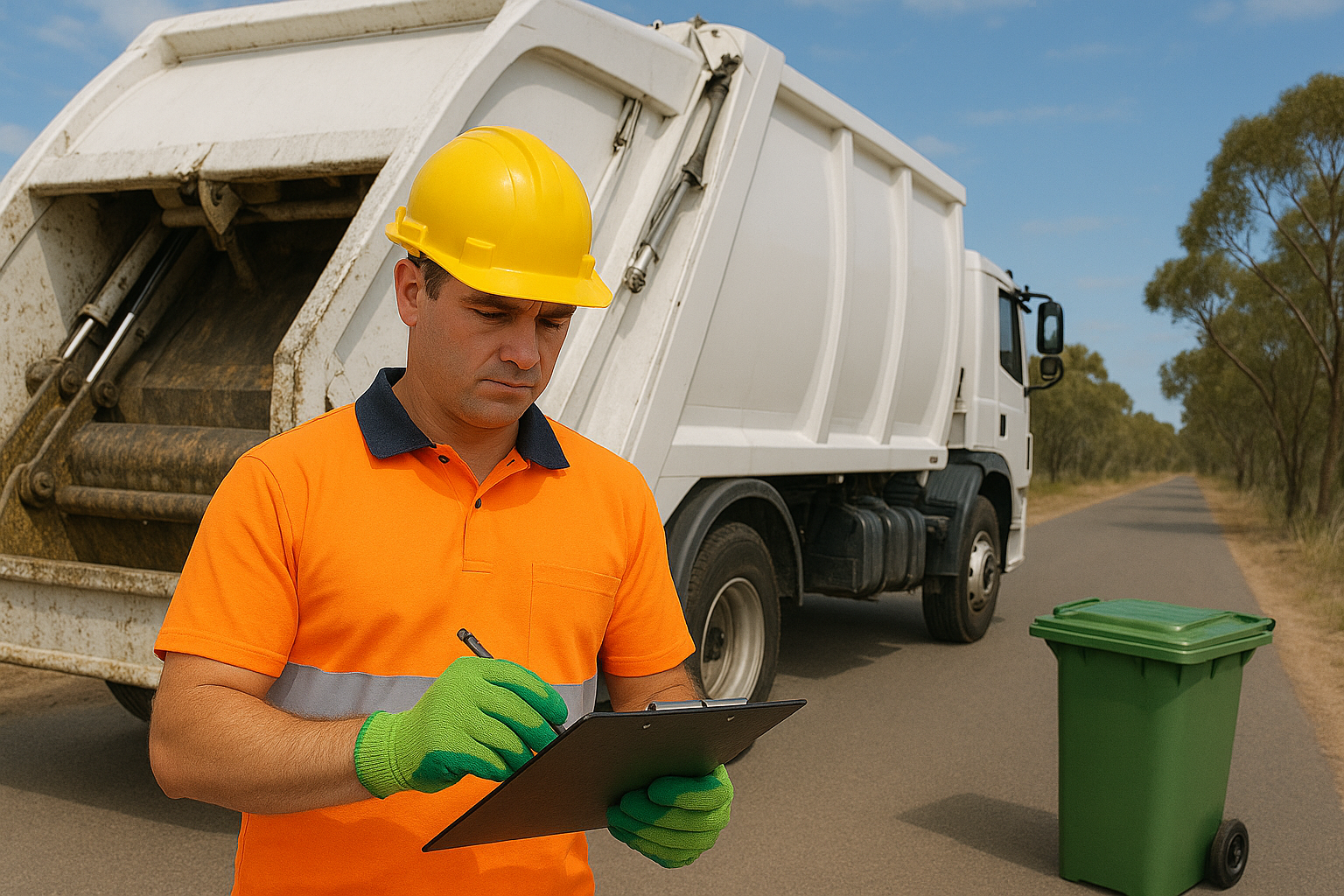
This unit specifies the skills and knowledge required to comply with environmental protection requirements when transporting waste using vehicles and equipment. It includes minimising the effects of pollution caused when operating and maintaining waste vehicles and equipment and following routes and workplace instructions to safely transport environmentally hazardous waste. It also includes understanding the impact of waste loads on the environment and identifying ways to improve work processes to protect the environment when transporting waste.
A person who achieves this unit of competency is expected to take responsibility for completing these tasks with a high degree of self-direction.
Candidates must hold a current, nationally recognised licence to operate the vehicle or equipment being used to transport waste. For further information, check with the relevant regulatory authority.
This unit specifies the skills and knowledge required to maintain storage areas and control stock movement to support the provision of waste management services. It includes monitoring and controlling the security, labelling, movement and storage of equipment and consumables in compliance with workplace and regulatory requirements and responding to emergencies in the storage area.
A person who achieves this unit of competency is expected to take responsibility for completing these tasks with a high degree of self-direction.
No licensing, legislative or certification requirements apply to this unit of competency at the time of publication.

This unit focuses on using hand and power tools in resource and infrastructure industries, mainly in operational roles under supervision, following established procedures, and maintaining work quality.
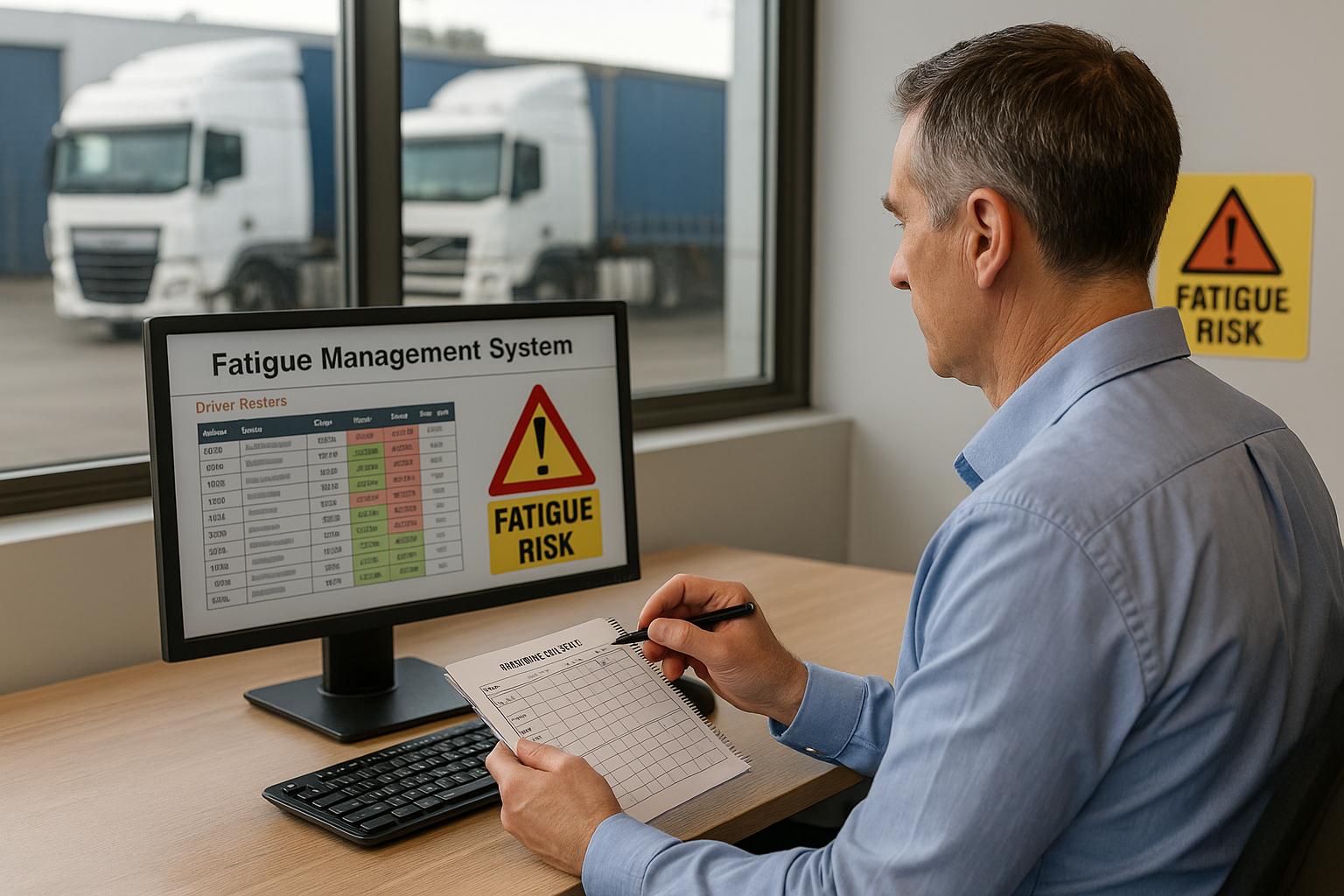
This unit of competency involves the skills and knowledge required for heavy vehicle drivers to manage fatigue and to work safely within the Transport and Logistics industry.
It includes applying fatigue risk management strategies, identifying and acting on signs of fatigue, operating within a fatigue risk management system, planning and navigating trips, updating and maintaining records, complying with work and rest limits, and implementing appropriate strategies to minimise fatigue during work activities.
Work is performed under some supervision as a single operator and/or within a team environment.
Legislative and regulatory requirements are applicable to this unit. The primary legislative requirement of this unit of competency is the Heavy Vehicle National Law (HVNL).
Being awarded this unit of competency is a necessary requirement to operate under National Heavy Vehicle Regulator (NHVR) Fatigue Management Accreditation but is only one of the criteria. Prospective applicants should check with the NHVR before undertaking training and/or assessment.
- Manager: Cassandra Hartley
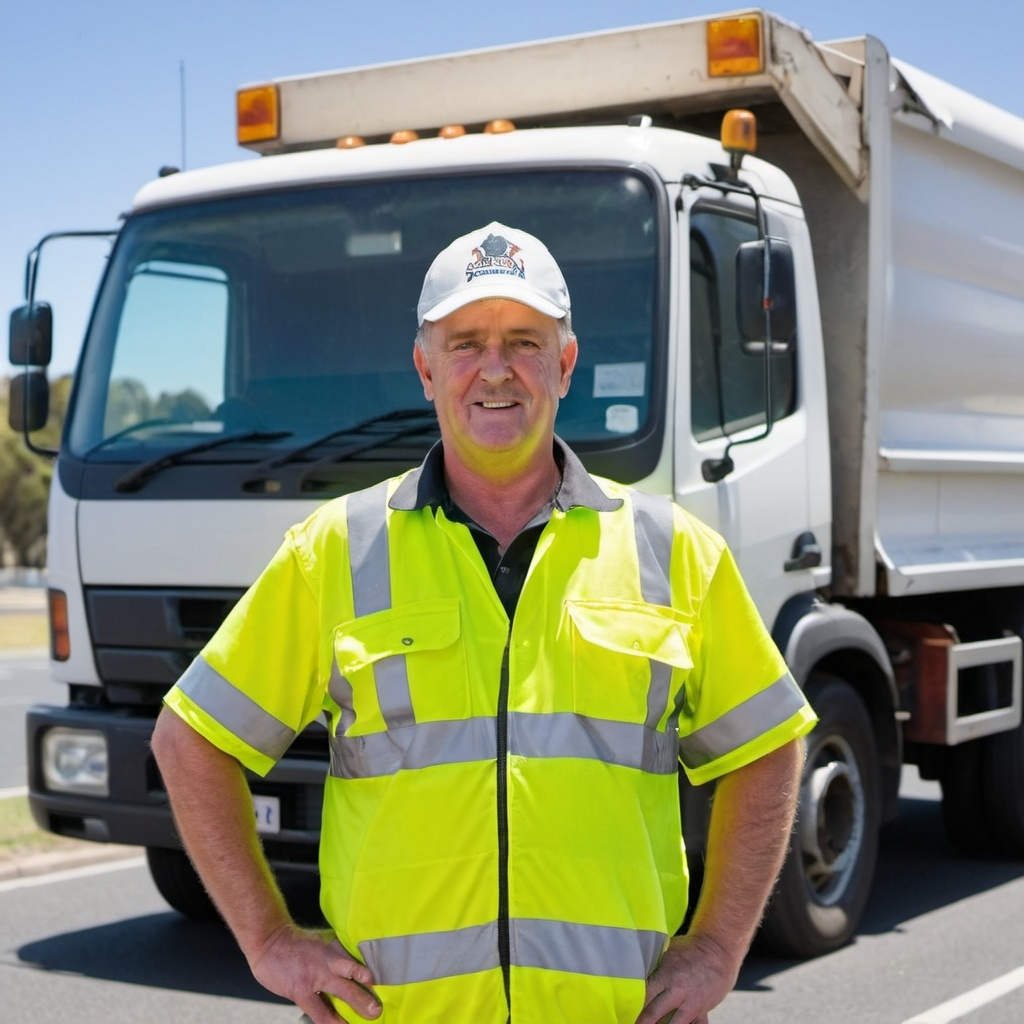

This unit of competency involves the skills and knowledge required for heavy vehicle drivers to manage fatigue and to work safely within the Transport and Logistics industry.
It includes applying fatigue risk management strategies, identifying and acting on signs of fatigue, operating within a fatigue risk management system, planning and navigating trips, updating and maintaining records, complying with work and rest limits, and implementing appropriate strategies to minimise fatigue during work activities.
Work is performed under some supervision as a single operator and/or within a team environment.
Legislative and regulatory requirements are applicable to this unit. The primary legislative requirement of this unit of competency is the Heavy Vehicle National Law (HVNL).
Being awarded this unit of competency is a necessary requirement to operate under National Heavy Vehicle Regulator (NHVR) Fatigue Management Accreditation but is only one of the criteria. Prospective applicants should check with the NHVR before undertaking training and/or assessment.
- Manager: Admin User
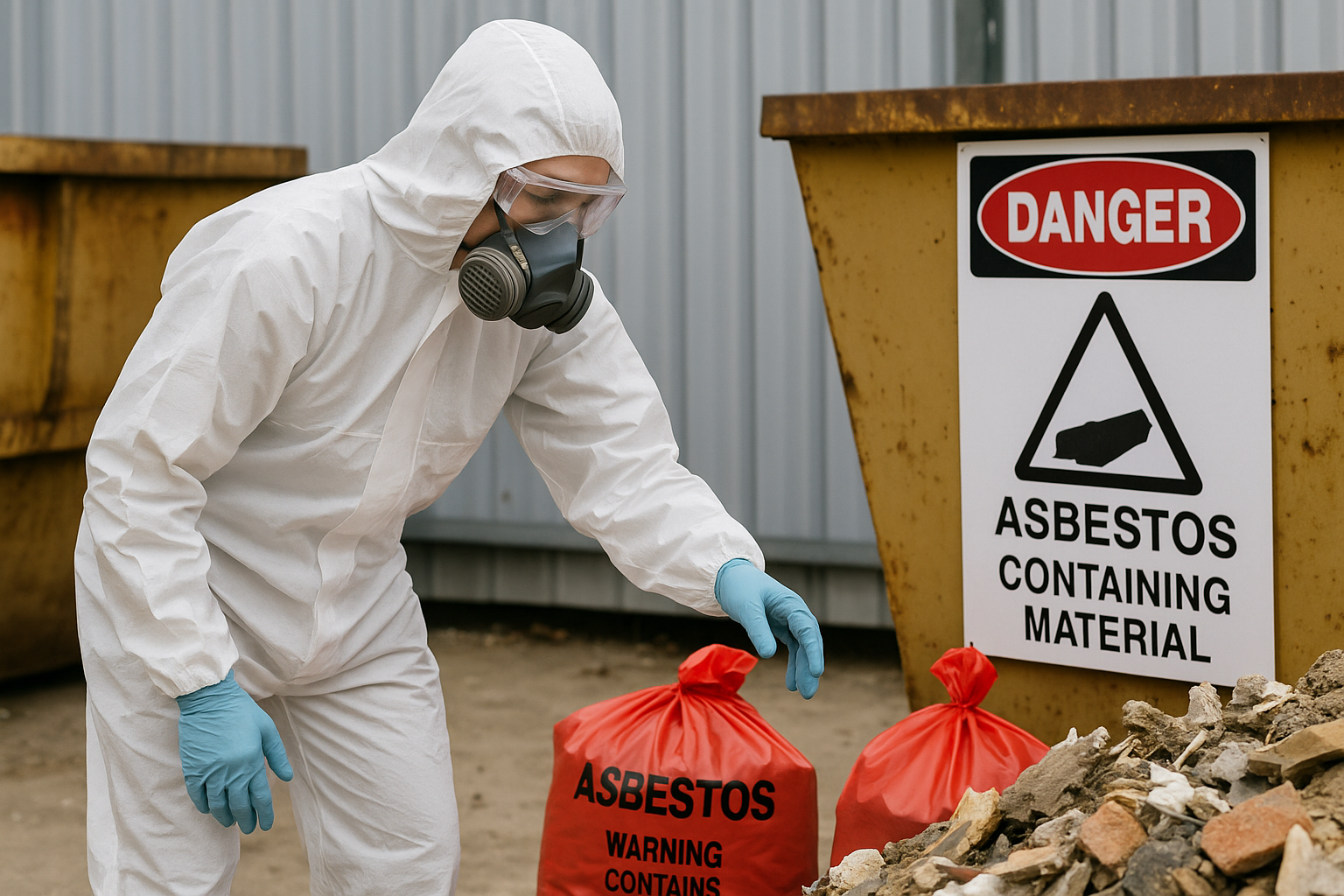
The course NAT11395001 – Recognise Asbestos Risk in Waste and Recycling is designed to equip workers in the waste and recycling industry with the knowledge and practical skills to identify and respond to asbestos risks safely and in compliance with Australian legislation. Participants learn how to visually recognise asbestos-containing materials (ACMs) commonly found in mixed waste streams, understand their legal responsibilities under WHS and environmental laws, conduct systematic inspections, and apply control measures such as establishing exclusion zones and reporting incidents. This course empowers learners to take immediate, informed action to prevent asbestos exposure, ensuring the protection of themselves, their colleagues, and the wider community
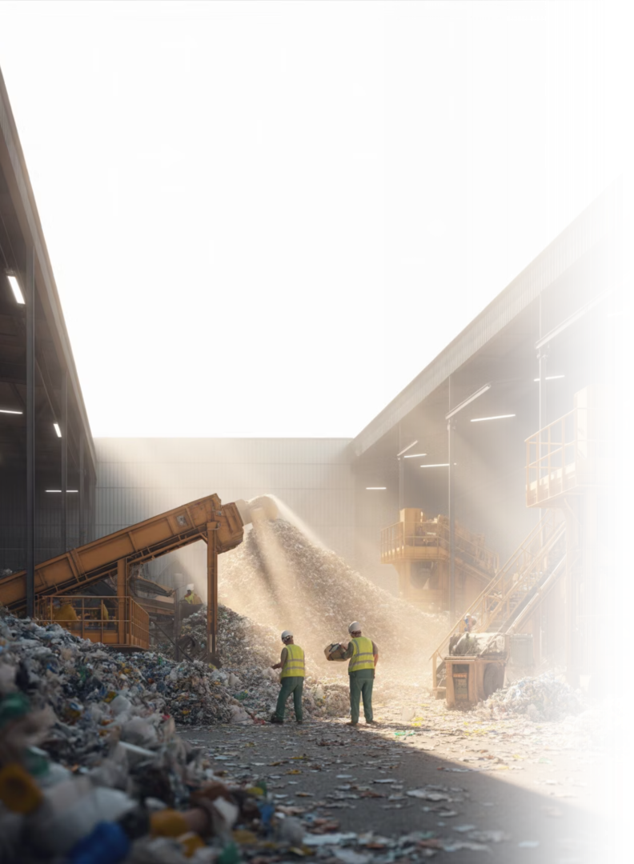
Respond to Asbestos Containing Materials in Waste and Recycling is a specialised industry course designed to equip workers in the waste and recycling sector with the skills and knowledge to safely identify, handle, and respond to asbestos-containing materials in workplace settings. Participants learn how to recognise potential asbestos risks, follow legal and workplace safety requirements, implement correct reporting and isolation procedures, and ensure safe disposal practices. This training supports regulatory compliance, protects worker health, and promotes safe waste management practices across facilities such as transfer stations, recycling centres, and landfill operations.
Skip site announcements
Site announcements
There are no discussion topics yet in this forum